 9.4
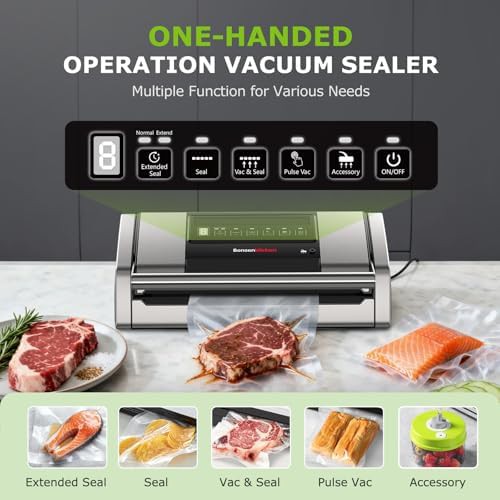
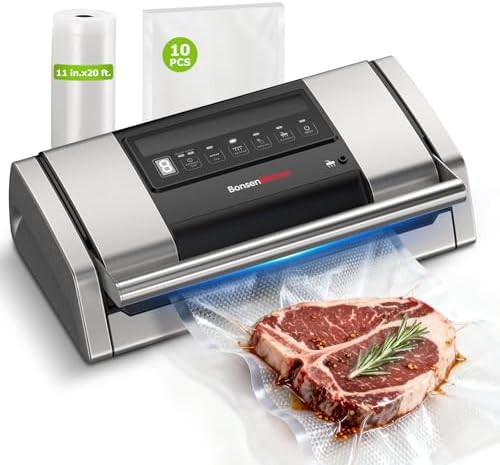
Bonsenkitchen
Vacuum Sealer with Digital Timer and Cutter
$120
For sous vide With built-in cutter With roll storage
Portion and preserve weekly meals to keep ingredients fresh and organized 22 vacuum sealers · 13 brands
9.4
For sous vide With built-in cutter With roll storage
 9.4
With roll storage
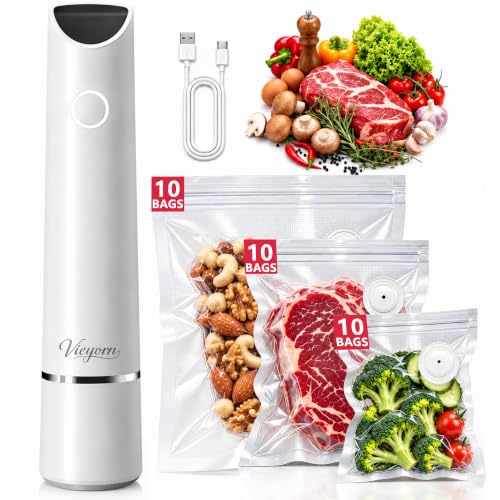 9.4
Cordless With roll storage Sous vide
 9.1
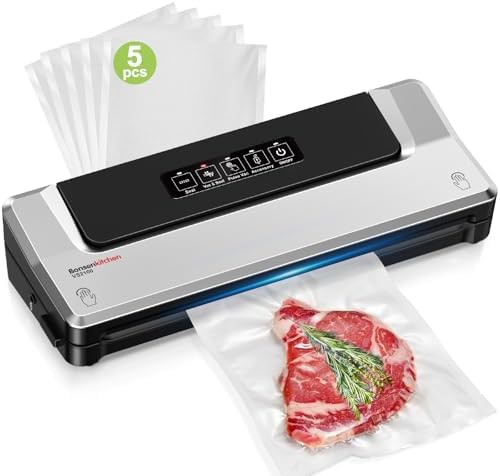 9.0
Automatic For sous vide With pulse function Silver
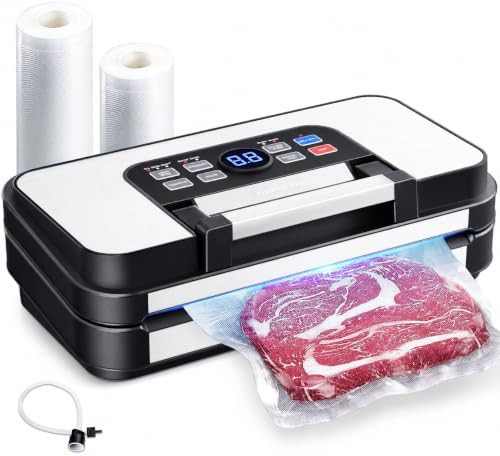 9.0
For sous vide Electric 95kPa Double heat seal Silver
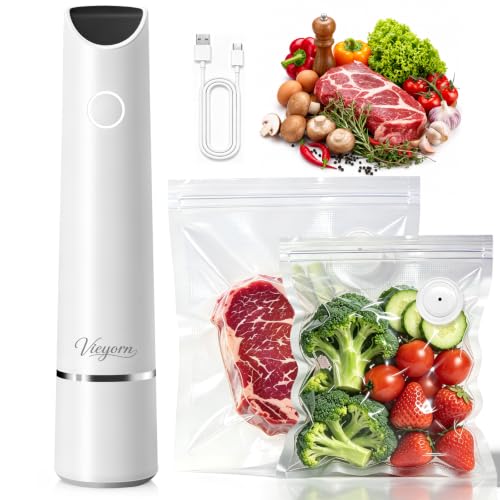 9.0
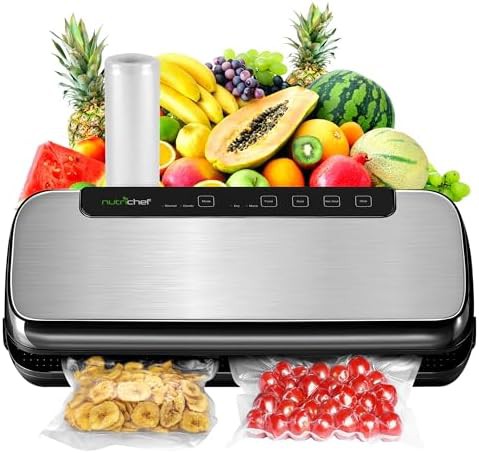 8.9
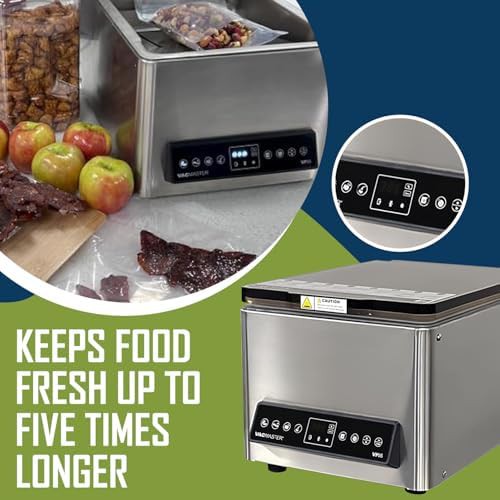
14" Automatic Dry and moist mode Stainless steel
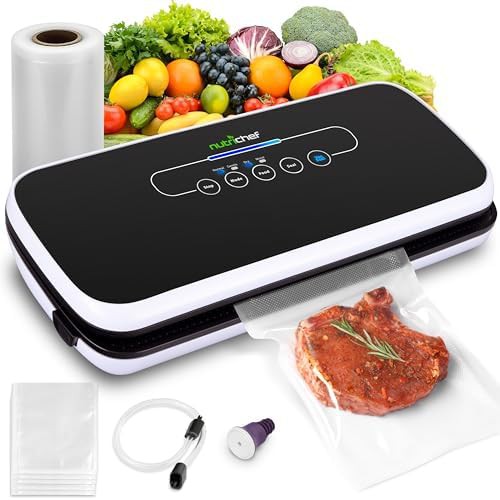 8.6
Black Automatic External Dry and moist mode
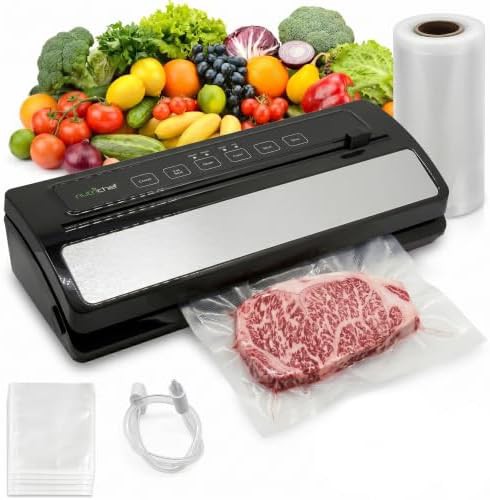 8.5
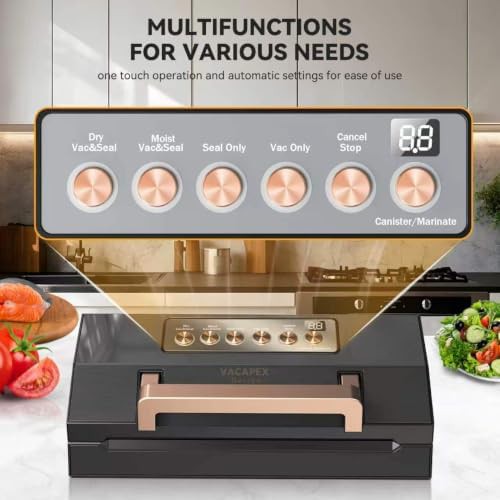
Black Automatic Dry and moist mode Electric
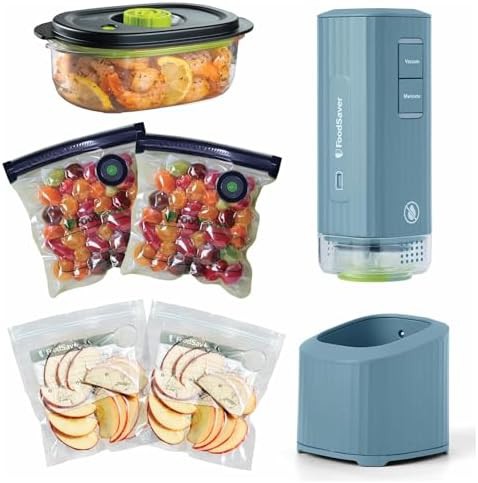 8.4
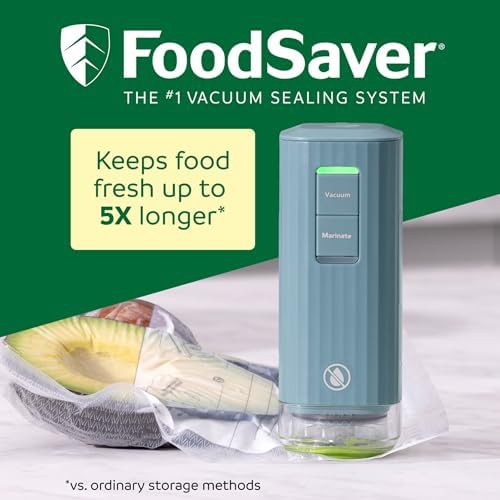
Blue For sous vide Handheld For liquids For marinades
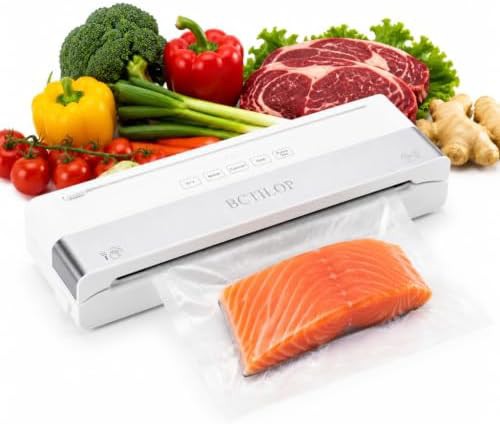 8.4
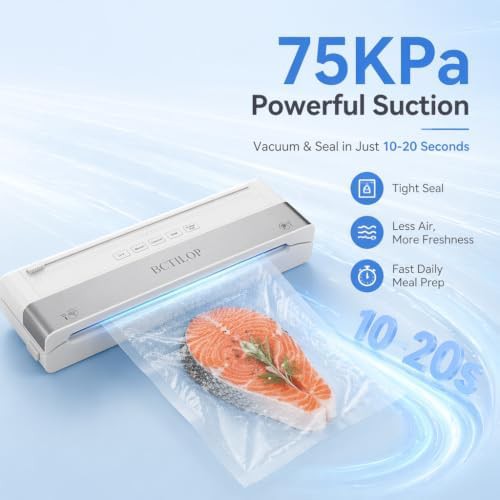
Automatic Dry and moist mode With built-in cutter With pulse function 75kPa
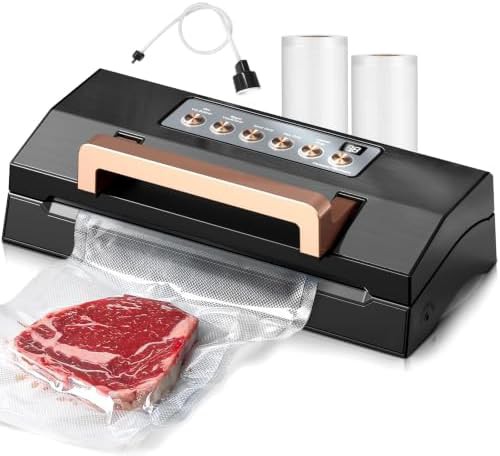 8.4
Automatic Dry and moist mode With built-in cutter With pulse function With roll storage
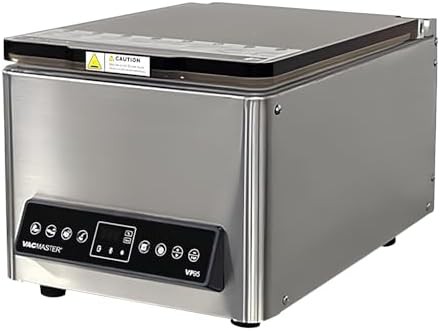 8.1
For sous vide Chamber For liquids For marinades
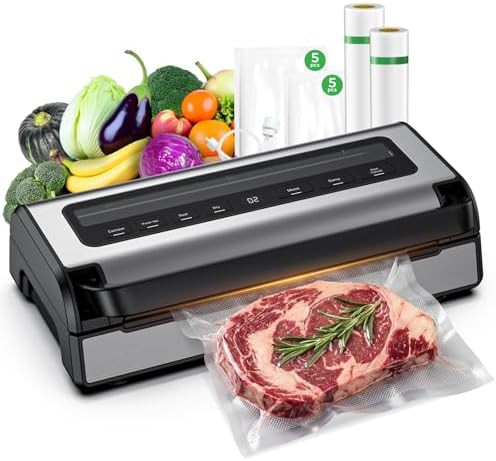 7.8
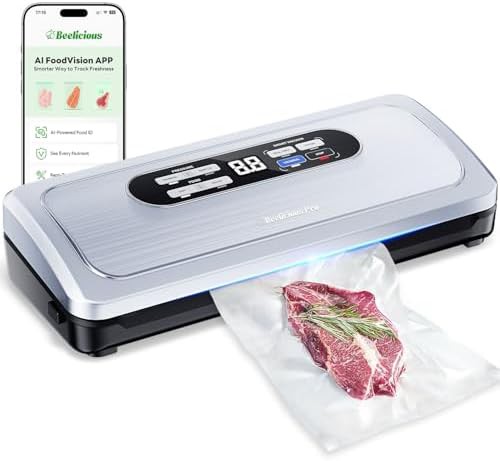 7.7
Blue Dry and moist mode For sous vide With built-in cutter 80kPa
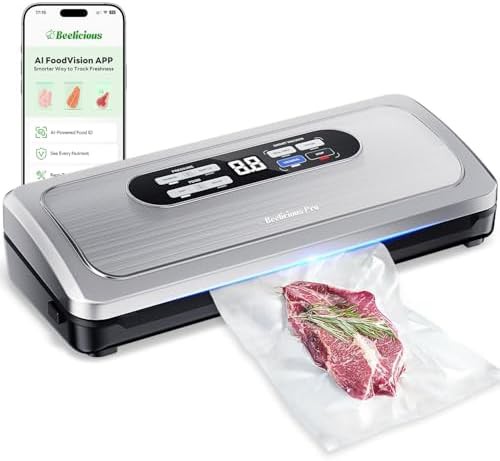 7.4
Gray Dry and moist mode For sous vide With built-in cutter 80kPa
Cheap Commercial Sous vide
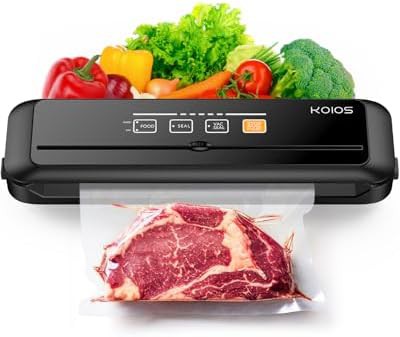 7.9
Black Automatic Dry and moist mode With built-in cutter With pulse function
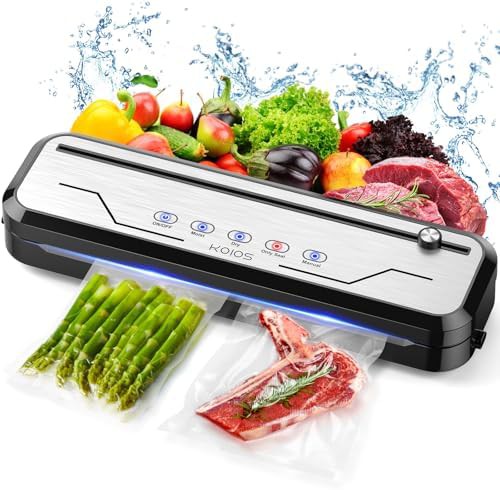 6.7
Dry and moist mode With built-in cutter For marinades
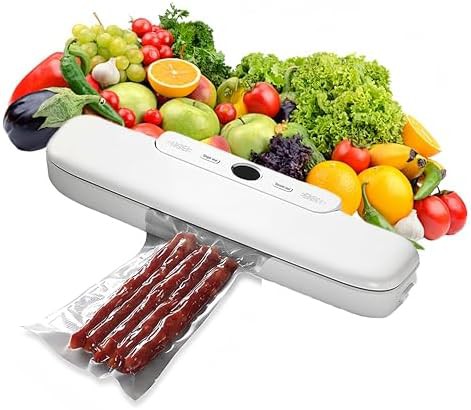 6.3
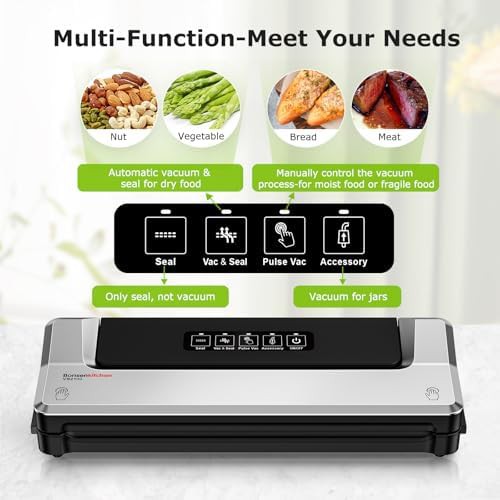
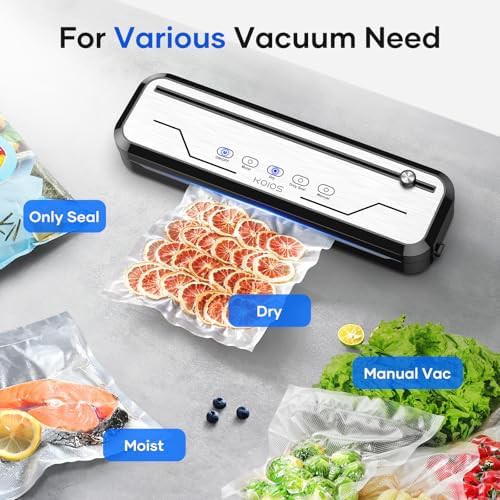
When you portion a week of meals in one sitting, the sealer has to keep up with a steady rhythm of bags without stalling or overheating. Dry and moist modes matter because cooked grains, blanched vegetables, and raw proteins all release different amounts of moisture into the channel. A unit that only handles dry goods will pull liquid toward the seal bar and leave you with weak seams on exactly the meals you most want to keep.
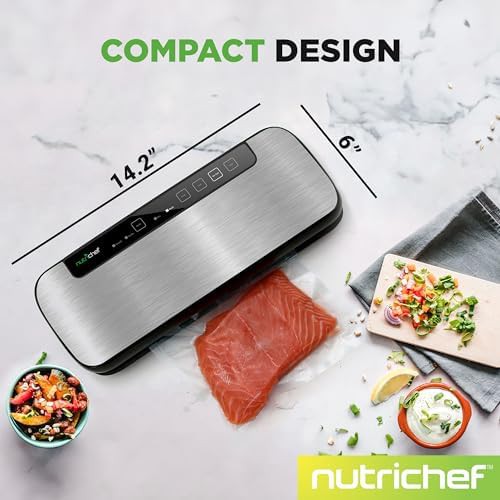
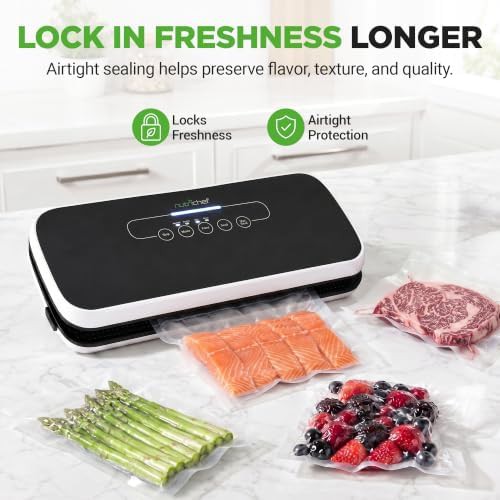
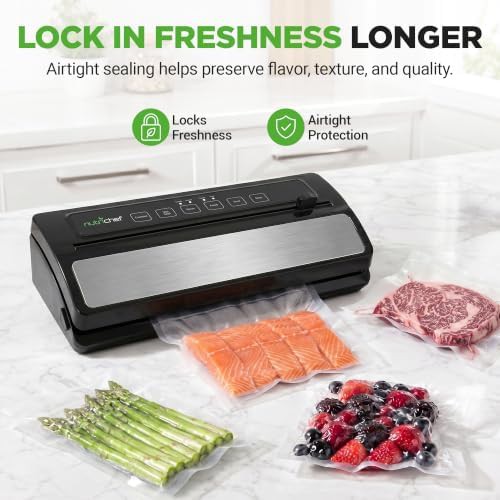
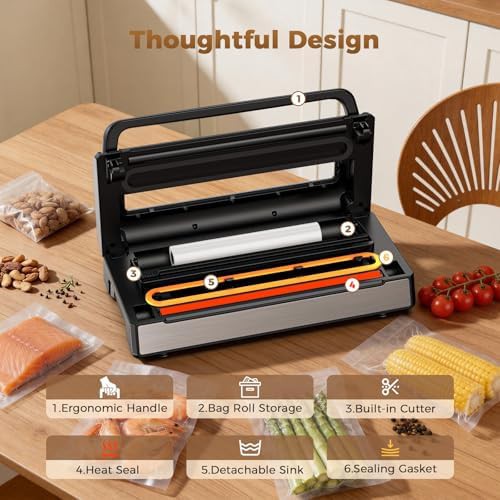
Most units built for this work are external vacuum sealers that sit on the counter and draw air from a bag held against a gasket. They run in compact footprints that tuck under a cabinet, and several carry a roll storage compartment and built-in cutter so you can size bags to the portion rather than the other way around. Colors lean practical: black, gray, blue, and stainless finishes that wipe down after a session with raw meat.
Suction power shows up in the specs as a pressure figure, and the higher numbers tend to pull a tighter vacuum on dense foods like stew meat or thick stews. Dual-pump designs split the work between vacuum and seal, which shortens the cycle when you are running bag after bag. A double heat seal gives you two parallel seams instead of one, which is the difference between a bag that survives the freezer and one that opens at the corner.
If you are sealing mostly soups, sauces, or braising liquid, a standard external sealer will pull fluid into the pump and you want a chamber machine instead. If you only seal a few bags a month, a handheld unit covers that without taking counter space. And if you are sealing dry pantry staples in bulk, a simple dry-only sealer does the job without the moist-mode hardware you would be paying for.
Only if the machine has a moist or liquid mode that adjusts the suction and seal timing. Without that mode, liquid gets pulled into the pump and the seal can fail. Look for a unit that explicitly lists dry and moist food modes.
Higher pressure ratings pull a tighter vacuum on dense foods and thick liquids. Dual-pump designs also speed up the cycle when you are sealing many bags in a row. The pressure figure in the specs is the clearest indicator of how hard the machine pulls.
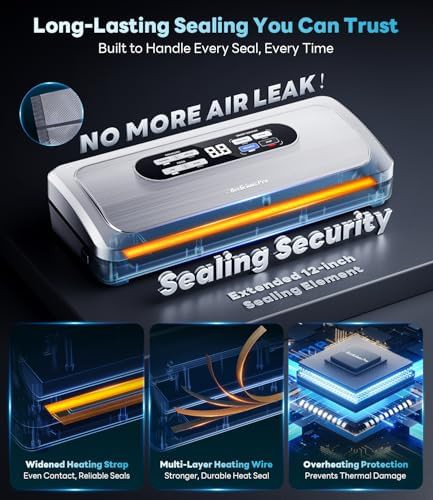
A double heat seal creates two parallel seams instead of one, which adds strength at the bag edge. That matters most for freezer storage and for bags that get handled roughly. Single-seal machines still work, but the seam is the weakest point.
Automatic machines sense the bag and run the full cycle without you holding a lever or timing a button press. Manual units work fine but require more attention per bag. For large batches, automatic saves time and reduces mistakes.